FTC says ‘sextortion’ protection companies deceived customers about services
A federal lawsuit claims that Dmitry Belkin and his companies routinely failed to deliver on services to protect customers, generated fake evidence and denied refunds to victims.
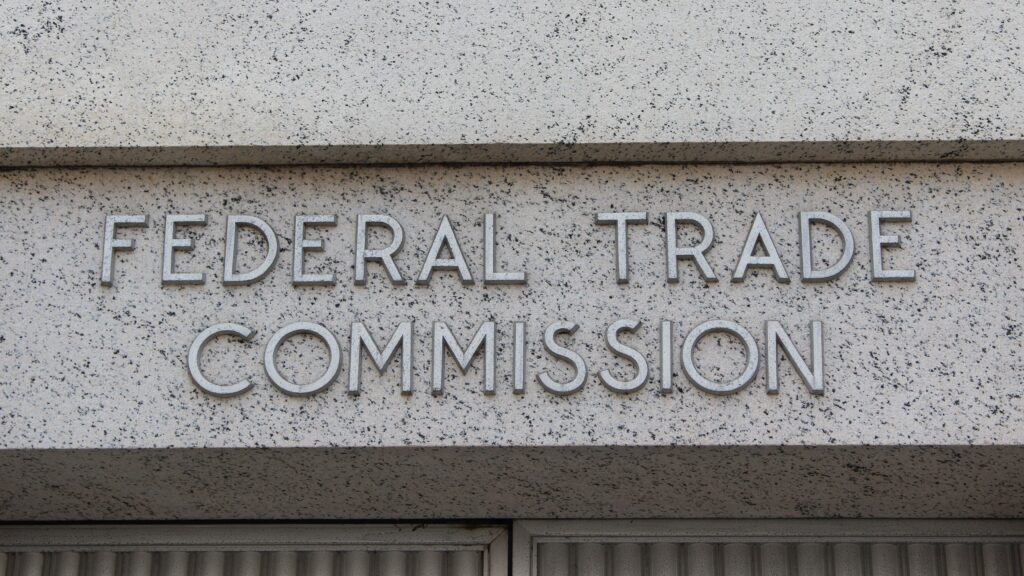
The Federal Trade Commission is asking a court to force the owner of multiple digital security and privacy companies from further operations, saying the businesses are serially defrauding their customers out of millions of dollars.
Earlier this month, the FTC filed a federal lawsuit in Ohio against Dmitry Belkin and 12 of his businesses, alleging they engaged in unfair and deceptive trade practices under the Federal Trade Act and violated the Telemarketing Act’s prohibition against deceptive and abusive telemarketing acts since at least 2020.
The majority of Belkin’s companies, with names like Digital Forensics Corp., 1st All Data Recovery and Remote Backup Corp., advertised services to help people deal with ongoing online romance or “sextortion” scams, where a scammer threatens to publish a nude or sexual photo of the victim unless they pay a ransom.
They operated websites like BlackmailHelpline.com, DigitalForensics.com and other sites that would routinely be advertised on Google, YouTube, X and other sites when users are searching for help with sextortion attacks.
The FTC alleges that despite taking in at least $60 million from customers, Belkin and his companies routinely failed to deliver most of the listed services meant to protect customers from ongoing scams, generated fake transcripts to fool customers into believing a sextortion threat had dissipated and routinely denied requests for refunds.
“Defendants falsely portray themselves as digital forensics experts, claiming they can track and identify sextortionists, prevent the spread of explicit material, and coordinate with law enforcement to bring criminals to justice,” the FTC said in its complaint. “Defendants further mislead victims by asserting that law enforcement will not help stop the sextortion attack” and that contacting the police is “the last thing you want to do.”
According to the complaint, Belkin’s businesses would first pitch a “Phase 1” package of services, between $1,499 and $20,000, that included “stopping” an ongoing attack, handling communications with the sextortionist, tracing their location, sending a legal cease-and-desist letter and reporting the evidence to law enforcement.
The FTC complaint alleges that in reality, the companies simply use the customer’s account to communicate with the scammer, before changing account settings to block them, fabricating chat transcripts and using pre-saved geolocation coordinates to fool customers.
After customers purchased Phase 1 services, Belkin’s companies would routinely pressure them for thousands of dollars in additional “Phase 2” services, which were advertised as monitoring services for victim accounts that could detect and prevent future attacks.
“Defendants do not perform any of these services either,” the FTC alleged.
The complaint alleges that Belkin drafted a script for employees at his companies to use during telemarketing calls, designed explicitly to exploit victims’ fears and anxieties around their nude images being made public. This included comments implying that a bad actor could alter a real photo of the victim to include sexual acts with minors, spurring concerns about legal liability. After each call, employees filled out a form confirming they had used certain keywords or phrases, such as “pedophile,” “devastating consequences,” “life altering” and “no coming back after this.”
“I’ve seen these situations ruin people’s retirement all from the accusation of being a child predator,” the script said at one point, according to the complaint. “We need to make sure nothing gets posted.”
Some customers were also asked seemingly unrelated questions about their personal lives, such as if their marriage was “on the rocks,” had cheated on their spouses, or had young children that could “mean a custody battle” if the images were released publicly.
The companies received hundreds of requests for refunds but often denied them, also going to great lengths to prevent or drown out negative reviews online. Unhappy customers were directed to a fake version of the Better Business Bureau’s website, controlled by Belkin, to submit their complaints.
The actual Better Business Bureau page for one of the businesses, Digital Forensics Corp., still includes numerous complaints from customers alleging they were defrauded. One customer complaint, filed in August, states that they signed a contract in 2023 “out of sheer panic and fear” and were still making payments because “they had my personal information and would contact me if I didn’t pay.”
Another review from a customer in June said they were “pressured” into a contract with the company in 2024, were still making monthly payments and when they contacted the company to cancel, were told they “could not close the account and must continue making payments.”
In both cases, the company responded within days, offering “alternative” options to resolve the disputes, such as paying a reduced settlement for the remaining balance.
They also allegedly flooded their own websites with fake positive reviews, gave partial refunds paired with non-disparagement agreements to push some customers to take down their negative reviews, and even hired Uber drivers to post fake testimonials with staged photographs.
Requests for comment sent to Belkin’s attorney and his personal LinkedIn account were not returned.