National cyber director rolls out latest pilot in South Carolina, this time for rural hospitals
Like the water sector initiative, the six-month pilot program will connect rural hospitals with industry for free services.
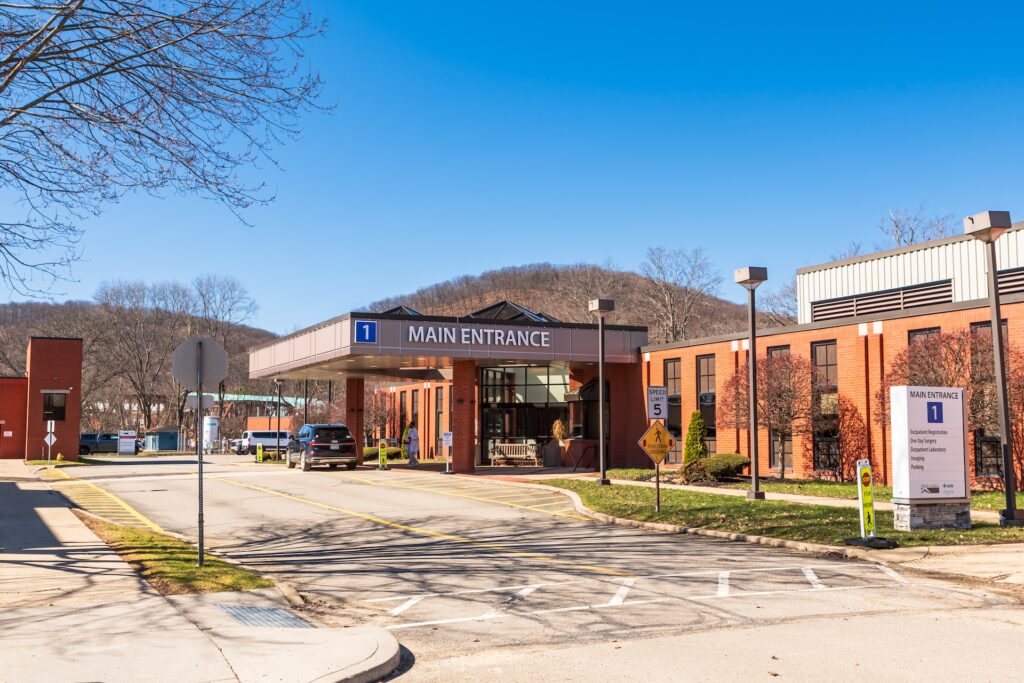
The Office of the National Cyber Director has rolled out its second regional cyber pilot program, this one focused on rural hospitals.
National Cyber Director Sean Cairncross visited South Carolina on Monday to debut the six-month program, Project Lifeline 250, which connects industry with rural hospitals. The concept is similar to the first pilot program in Texas that connected industry with the water sector.
“Project Lifeline 250 connects the world-leading American industry with rural hospitals and uses the greatest American tools and capabilities to defend hospital networks; deploy physical back up devices after an initial incident to ensure an impacted hospital can still provide critical care; and identify high-risk and legacy devices and replace them,” Cairncross said in a statement.
The health care sector had a record year for breaches last year, with 804 large breaches reported to the Health and Human Services Department’s Office for Civil Rights that affected more than 140 million people. The FBI identified the sector as the top target for ransomware and other hackers in 2025.
Rural hospitals, like the water sector, lack resources compared to other kinds of critical infrastructure.
Besides industry and the ONCD, the effort is a project that draws in the South Carolina Critical Infrastructure Cybersecurity program, the South Carolina Law Enforcement Division and local governments in the state.
“Cyber threats are a rising challenge to our nation’s security, and we must remain vigilant to protect the systems our communities depend on,” said South Carolina Gov. Henry McMaster. “Project Lifeline 250 is another important step toward ensuring South Carolina’s rural hospitals have the resources they need to defend against cyberattacks and continue providing critical care.”
Some of the same companies involved in providing free services in the Texas pilot are involved in the South Carolina pilot, too, along with some new participants. Among the participating firms: Abnormal AI, Cisco, Cyera, Microsoft, Rilian Partners, Trellix and Zscaler.
“The stakes for critical infrastructure are getting higher and higher,” said Yotam Segev, cofounder and CEO of Cyera. “There’s real urgency in bringing cyber expertise from some of the world’s largest and most complex enterprises to rural hospitals through Project Lifeline 250. When a hospital knows where its patient data lives and who can reach it, it can reduce the leverage behind ransomware. Every community should have that clarity, no matter the size of the hospital or its IT team.”
Members of Congress also have introduced legislation designed to aid rural hospital cybersecurity.
The ONCD hasn’t said what will happen at the end of the six-month pilots. And so far it has only partnered, or publicly discussed partnering with, GOP-led states.